LIBYA’S PATH TO MODERN CITIES AND STRONGER INFRASTRUCTURE
19 NOVEMBER 2025
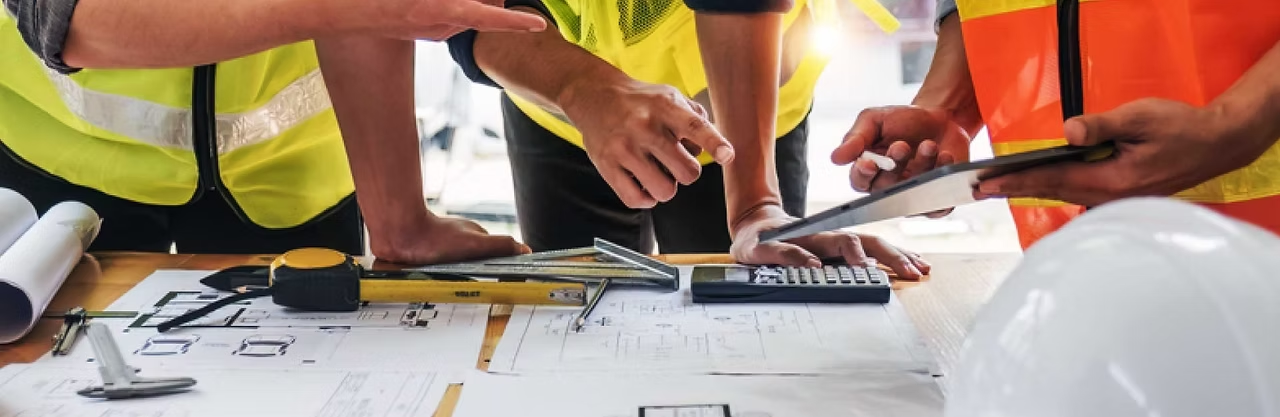
Libya is at a stage where rebuilding and upgrading its cities has become more important than ever. After years of challenges, the country is now focusing on improving construction, infrastructure, and overall urban development. These efforts aim to create safer communities, better public services, and stronger cities for the future.
Why Infrastructure Matters for Libya Good infrastructure is the base of any strong and stable nation. Roads, bridges, water systems, energy networks, and public buildings all play a major role in improving everyday life. In Libya, many of these systems need updates or complete rebuilding.
Today, ongoing infrastructure projects are addressing key issues such as electricity shortages, outdated roads, and limited housing. These improvements not only help daily living, they also support economic growth, create jobs, and connect people across the country.
Construction and City Development Construction is at the heart of Libya’s modernization. New building construction projects are rising in major cities like Tripoli, Benghazi, and Misrata. These include housing developments, hospitals, commercial centers, and educational facilities.
What makes this period of development different is the focus on better planning and modern standards. Many Libya construction projects now use stronger materials, safer designs, and improved engineering methods. This helps ensure that new structures last longer and serve communities better.
The Role of Construction Project Management As more projects begin, good construction project management becomes important. This means planning work carefully, managing costs, setting clear timelines, and making sure everything follows building rules and safety standards.
Effective project management helps avoid delays, saves money, and ensures that the final result meets the needs of people and communities.
Key Areas of Development in Libya Several major Libya infrastructure projects are already shaping the country’s future: 1. Transportation Improvements Upgrading highways, fixing damaged roads, and improving airports help connect cities and support trade. 2. Housing and Community Projects New housing areas aim to reduce overcrowding and provide safer, more modern living spaces. 3. Energy and Water Projects Improving electricity access and water supply systems supports both homes and businesses. 4. Public Service Buildings Hospitals, schools, and government buildings are being rebuilt to improve access to essential services.
Modern Urban Development Goals Libya’s long-term vision includes creating cities that are better organized, more efficient, and easier to live in. Key goals include: Safer and more organized city planning Better traffic flow and transportation options Public spaces that support community activities Stronger infrastructure that can handle future growth These goals guide the direction of Libya city development and help set standards for future projects.
Conclusion Libya is moving toward a future where its cities are stronger, safer, and more modern. Through improved construction, better planning, and ongoing infrastructure projects, the country is taking important steps forward. While challenges still exist, the progress being made today is laying the foundation for a more stable and connected Libya.
To stay updated on the latest developments, innovations, and opportunities in Libya’s building and infrastructure industry, visit Libya Build Benghazi.


.avif)